
Ceramic Wall Tiles: Popular Sizes and How to Choose the Right One
Walls play an important role in defining the appearance of any interior. Whether it’s a modern bathroom, a stylish kitchen or a commercial space, the right wall tiles can transform an ordinary surface into a distinctive design feature.
Among the available surface materials, ceramic wall tiles remain a popular choice because of their decorative versatility, relatively straightforward maintenance and wide selection of sizes and finishes.
From compact 200×300 MM tiles to larger 300×900 MM formats, ceramic wall tiles offer numerous possibilities for residential and commercial applications.
However, choosing the right tiles involves more than selecting an attractive pattern. Size, surface finish, installation requirements and product specifications are equally important.
In this guide, we explore popular ceramic wall tile sizes, their applications, design possibilities and important considerations for homeowners, architects, distributors and international buyers.
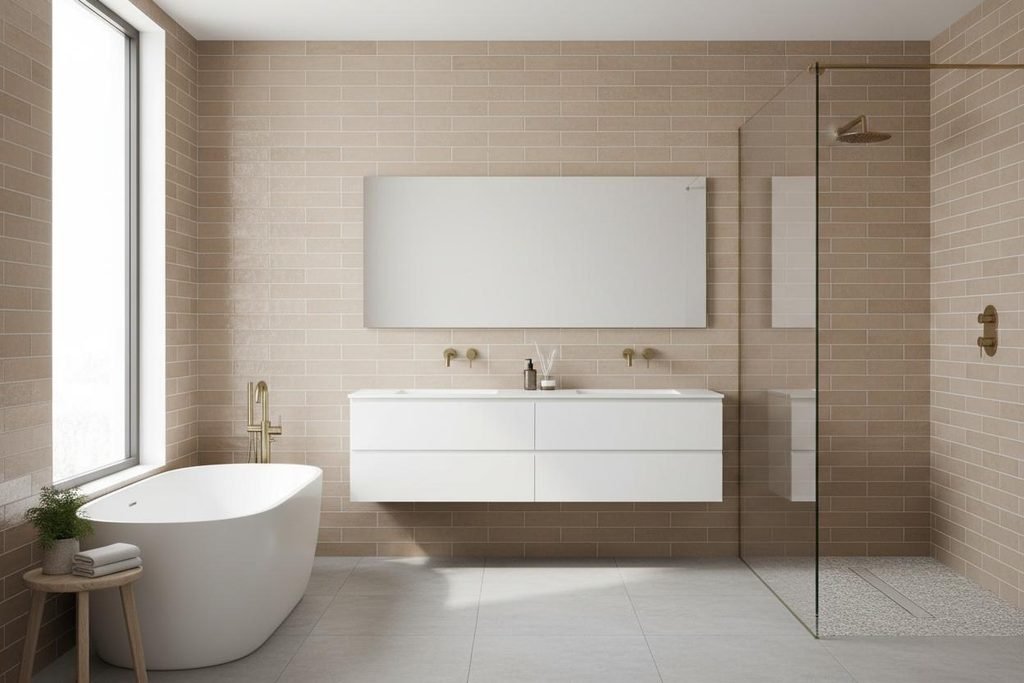
Insert Image 1 – Ceramic wall tiles in a modern bathroom.
What Are Ceramic Wall Tiles?
Ceramic wall tiles are manufactured from clay-based raw materials that are shaped, dried and fired at controlled temperatures.
Many wall tiles feature a decorative glazed surface that provides colour, pattern and resistance to everyday moisture and staining.
Depending on their design and technical characteristics, ceramic wall tiles may be used in bathrooms, kitchens, decorative walls and various commercial interiors.
Compared with some porcelain products, certain ceramic wall tiles are lighter and easier to cut or install. However, this depends on the particular tile’s body, dimensions and thickness.
Ceramic wall tiles are available in several appearances, including:
- Glossy ceramic wall tiles
- Matte ceramic wall tiles
- Marble-look designs
- Stone-inspired patterns
- Decorative tiles
- Neutral and solid-colour surfaces
For buyers exploring ceramic and porcelain products, the Vishwas Export collection provides a starting point for reviewing surface options.
Popular Ceramic Wall Tile Sizes
Selecting the right ceramic wall tile size can influence the visual appearance, grout layout and installation requirements of a space.
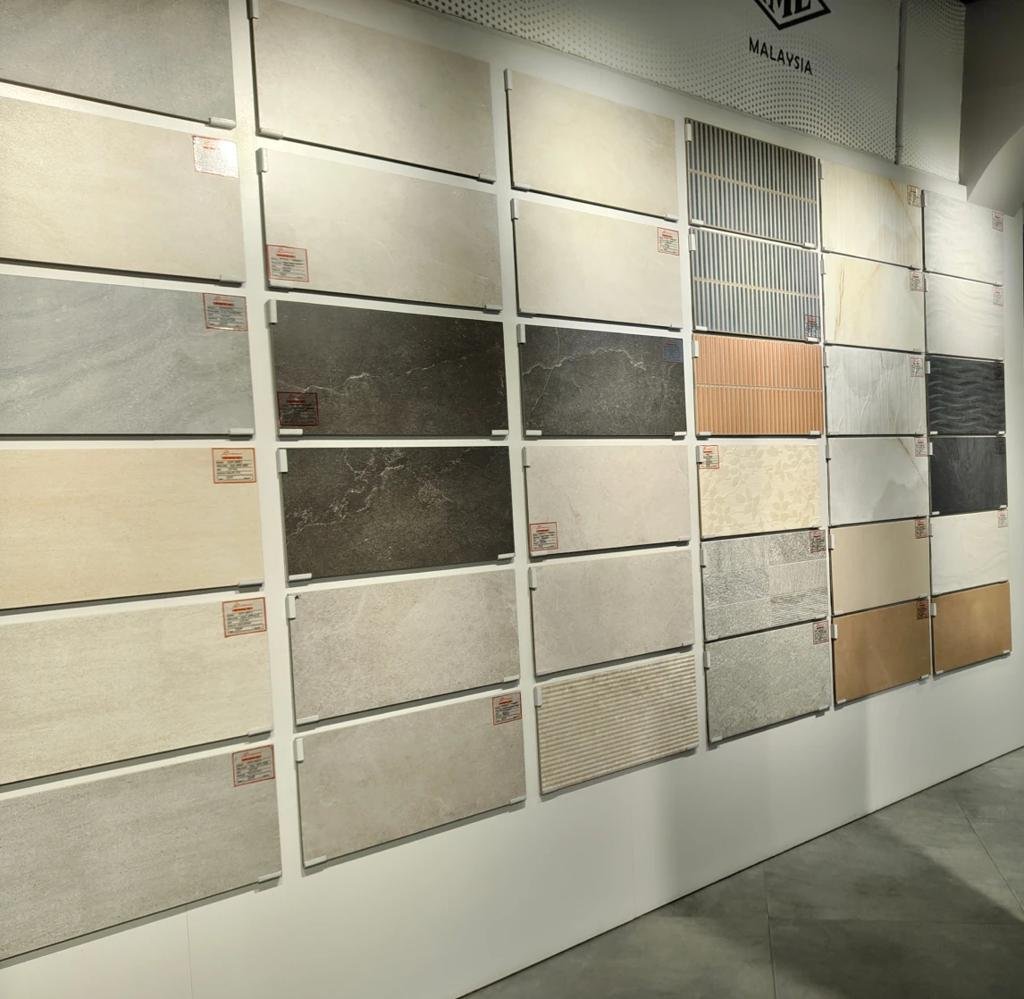
Vishwas Export’s published packaging information lists five ceramic wall tile formats.
Ceramic Wall Tile Size Comparison
| Tile size | Nominal area per tile | Common design applications |
|---|---|---|
| 200 × 300 MM | 0.06 SQM | Compact bathroom walls and decorative areas |
| 250 × 375 MM | 0.09375 SQM | Bathroom walls and smaller interiors |
| 300 × 450 MM | 0.135 SQM | Kitchens, bathrooms and wall features |
| 300 × 600 MM | 0.18 SQM | Contemporary bathrooms and kitchens |
| 300 × 900 MM | 0.27 SQM | Larger decorative walls and modern interiors |
These dimensions are listed on the Vishwas Export website. Applications are general recommendations rather than confirmation of each product’s suitability.
200×300 MM Ceramic Wall Tiles
The 200×300 MM format offers flexibility for smaller wall areas.
These rectangular tiles can be arranged vertically or horizontally, allowing designers to create different patterns.
They may be suitable for compact bathrooms, kitchen walls and decorative interior spaces.
250×375 MM Ceramic Wall Tiles
250×375 MM ceramic wall tiles provide a slightly larger rectangular format.
Their proportions make them a practical option for spaces where a traditional tile layout is preferred.
The design can be adapted to bathroom walls, kitchen areas and other suitable interior surfaces.
300×450 MM Ceramic Wall Tiles
300×450 MM tiles offer a balance between compact and larger rectangular formats.
They can work well in bathrooms, kitchens and decorative wall areas.
Their dimensions also allow designers to experiment with horizontal and vertical layouts.
300×600 MM Ceramic Wall Tiles
300×600 MM ceramic wall tiles are a popular choice for contemporary interior design.
Their larger rectangular format can create an organised appearance with fewer grout lines compared with smaller tiles.
This size is often considered for modern bathrooms, kitchen walls and decorative features.
300×900 MM Ceramic Wall Tiles
300×900 MM tiles provide an elongated appearance that works well in larger wall installations.
They can be used to create an expansive design effect in suitable bathrooms, commercial interiors and feature walls.
Because of their larger dimensions, appropriate substrate preparation and installation methods become particularly important.
Insert Image 2 – Ceramic wall tile sizes and samples.
6 Benefits of Ceramic Wall Tiles
1. Wide Variety of Designs
Ceramic wall tiles are available in numerous colours, patterns and surface finishes.
This allows architects and homeowners to coordinate wall surfaces with flooring, cabinetry, furniture and decorative elements.
2. Relatively Easy Maintenance
Glazed ceramic wall tiles are generally straightforward to clean using suitable household cleaning products.
Regular cleaning helps maintain their appearance and prevents dirt from accumulating around grout joints.
3. Suitable for Moisture-Prone Areas
Appropriately specified ceramic wall tiles can be used in bathrooms and kitchen areas.
However, ceramic tiles and grout do not replace a properly designed waterproofing system in wet areas.
4. Flexible Layout Options
Rectangular ceramic tiles can be installed in different orientations to create visual interest.
For example, horizontal layouts can emphasise width, while vertical arrangements can draw attention to wall height.
5. Decorative Versatility
Ceramic wall tiles can feature marble-inspired patterns, neutral colours, textured surfaces and decorative motifs.
This allows the same material category to complement traditional, modern and contemporary interiors.
6. Practical for Residential and Commercial Projects
Ceramic wall tiles may be used across residential homes, hospitality interiors, commercial washrooms and other appropriate spaces.
The selected products should meet the intended application’s technical and maintenance requirements.
Where Can Ceramic Wall Tiles Be Used?
Ceramic wall tiles offer decorative and practical possibilities across different interior environments.
Bathroom Walls
Bathrooms are among the most common applications for ceramic wall tiles.
Light-coloured tiles can create a bright, open appearance, while darker colours and textured designs can produce a more dramatic effect.
Larger rectangular tiles can reduce the number of visible grout joints, depending on the layout.
Kitchen Backsplashes
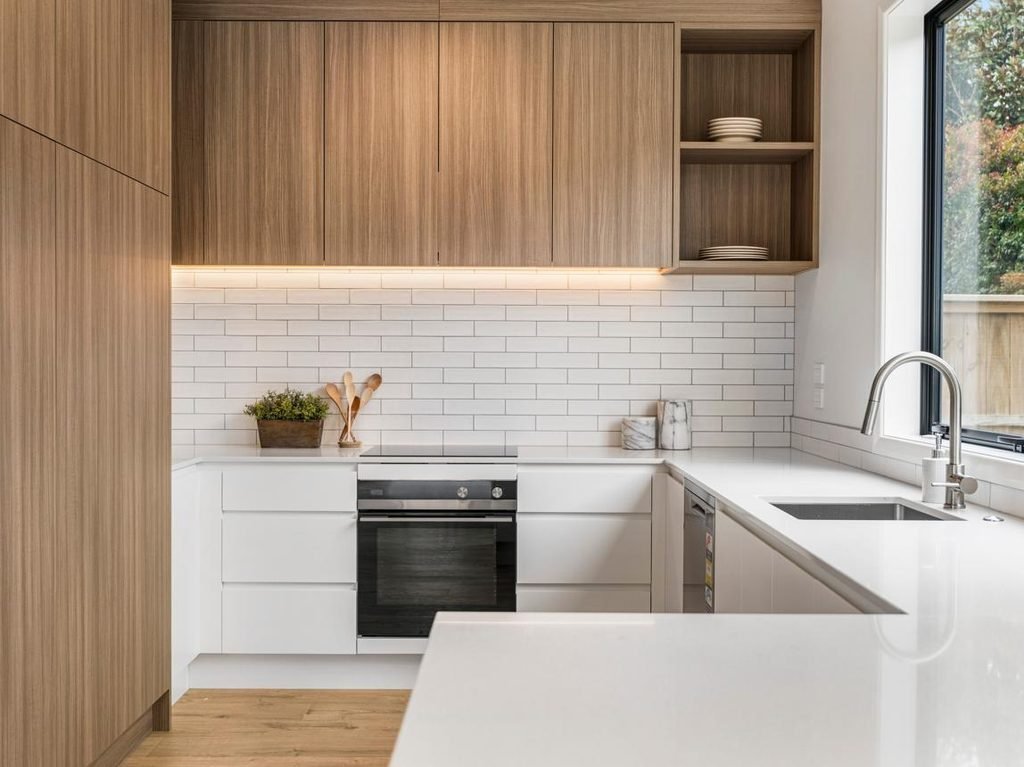
Ceramic wall tiles are commonly used for kitchen backsplashes.
Glazed surfaces can help make splashes and everyday cooking marks easier to clean.
White, beige and grey tiles are versatile options that complement different cabinet finishes.
Decorative Feature Walls
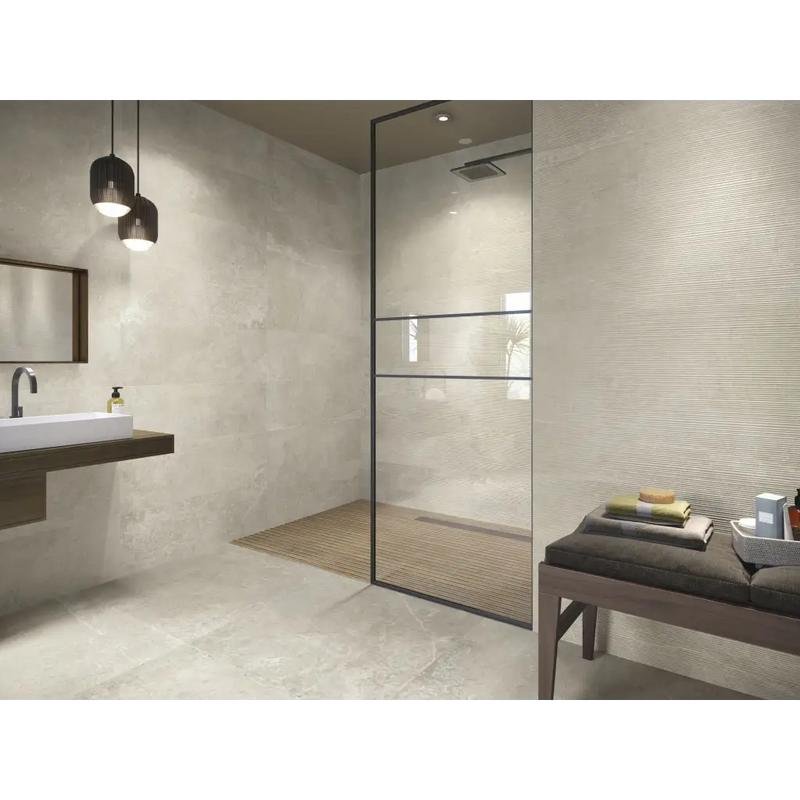
Ceramic wall tiles can add patterns, colours and visual texture to decorative walls.
Depending on the selected design, they can be used behind vanity units, in reception areas or as architectural accents.
Commercial Interiors
Restaurants, hotels, offices and retail spaces may incorporate ceramic wall tiles in suitable interior applications.
Product selection should consider maintenance, cleaning requirements and installation conditions.
Glossy vs Matte Ceramic Wall Tiles
Surface finish is an important part of ceramic tile selection.
Glossy and matte finishes can create different visual effects.
| Feature | Glossy ceramic wall tiles | Matte ceramic wall tiles |
|---|---|---|
| Appearance | Reflective | Low reflection |
| Visual effect | Bright and polished | Subtle and contemporary |
| Lighting | Reflects more light | Reduces glare |
| Cleaning | Smooth surfaces can be easy to wipe | Depends on surface texture |
| Typical design use | Bathrooms, kitchen walls | Feature walls, modern interiors |
Neither finish is automatically better.
The right choice depends on interior lighting, design preferences and the particular product’s maintenance requirements.
How to Choose the Right Ceramic Wall Tiles
Selecting ceramic wall tiles should involve both appearance and technical suitability.
1. Consider Room Dimensions
Smaller tiles may offer greater flexibility around corners, fixtures and irregular wall areas.
Larger tiles can create a more continuous appearance but may require more careful installation planning.
2. Select the Right Tile Colour
Light-coloured tiles can brighten a space, while darker designs create contrast.
Choose colours that complement the surrounding flooring, furniture and fixtures.
3. Compare Surface Finishes
Review glossy, matte and decorative finishes under lighting conditions similar to the intended installation.
4. Check Product Specifications
Before choosing tiles, confirm:
- Tile dimensions
- Thickness
- Surface finish
- Water absorption
- Dimensional tolerances
- Recommended application
- Applicable technical documentation
5. Consider Installation Requirements
Wall substrates must be suitable for the weight and size of the selected tiles.
Appropriate adhesives, grout joints and waterproofing systems should be selected according to project requirements.
6. Review Actual Product Samples
Photographs may not fully represent a tile’s colour, finish or surface texture.
Whenever practical, review an actual product sample before finalising a selection.
Ceramic Wall Tiles vs Porcelain Wall Tiles
Both ceramic and porcelain tiles can be used for wall applications.
However, they differ in manufacturing characteristics and product-specific performance.
| Feature | Ceramic wall tiles | Porcelain wall tiles |
|---|---|---|
| Material | Fired ceramic body | Dense porcelain body |
| Water absorption | Varies by product category | Generally lower |
| Cutting | Often easier for certain wall-tile types | May require specialised equipment |
| Weight | Depends on dimensions and thickness | Depends on dimensions and thickness |
| Design options | Wide variety | Wide variety |
| Wall applications | Suitable when specified correctly | Suitable when specified correctly |
The choice should depend on the project’s needs rather than assuming one material is always superior.
Explore additional surface formats through the Vishwas Export product collection.
What International Buyers Should Know About Ceramic Wall Tiles
For importers, distributors and wholesalers, choosing ceramic wall tiles involves several considerations beyond design.
Product specifications, packaging details and order consistency can influence purchasing decisions.
Confirm Available Sizes
Check which ceramic wall tile sizes are currently available.
A supplier’s published size range does not necessarily mean every design is available in every format.
Check Tile Thickness
Thickness can vary between ceramic wall tile formats.
The required specification should be confirmed before placing a bulk order.
Review Design and Finish Consistency
For large orders, request approved samples or product references.
Differences in colour tone, surface finish and batch characteristics should be discussed before order confirmation.
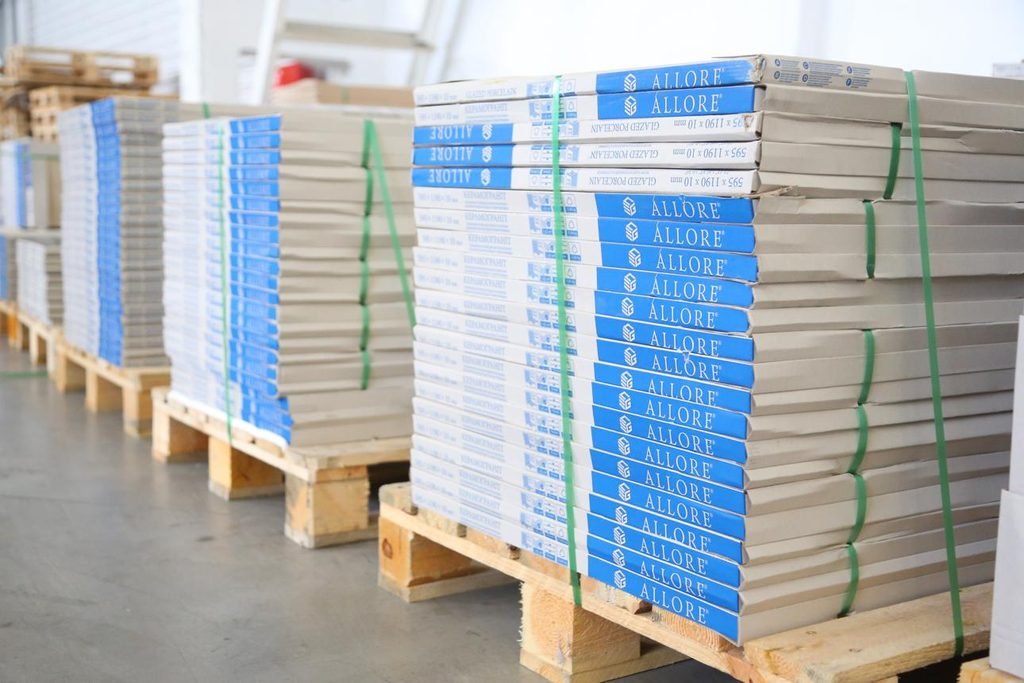
Understand Packaging Requirements
Ceramic wall tiles require appropriate protective packaging during storage and transport.
Vishwas Export’s Packaging Details page provides information about ceramic wall tile sizes, thicknesses and packaging arrangements.
The actual quantities and loading requirements should be verified for each order.
Verify Shipping and Documentation
International buyers should confirm relevant commercial documents, packing arrangements and delivery terms.
Clear communication helps reduce misunderstandings and supports efficient sourcing.
Why Trust and Transparency Matter When Sourcing Ceramic Tiles
For international buyers, choosing the right supplier involves more than comparing product images.
It also requires confidence in the product information being provided.
Understanding the actual tile size, thickness, finish and packaging arrangement helps buyers make informed decisions.
This is the principle behind Vishwas Export’s campaign, Trust with Transparency.
The objective is simple: buyers should know what they are selecting, what specifications they need and which details must be confirmed before placing an order.
For ceramic wall tiles, clear product information is particularly important because dimensions, finishes and packaging requirements vary across different formats.
Learn more about Vishwas Export and its approach to quality and customer relationships.
Frequently Asked Questions About Ceramic Wall Tiles
1. What are the most common ceramic wall tile sizes?
Common ceramic wall tile formats include 200×300, 250×375, 300×450, 300×600 and 300×900 MM. Availability varies by supplier and product collection.
2. Are ceramic wall tiles suitable for bathrooms?
Yes. Appropriately specified ceramic wall tiles can be used in bathrooms. Wet areas also require suitable waterproofing and installation systems.
3. Which ceramic wall tile size is best for a small bathroom?
There is no universally best size. Smaller tiles can offer layout flexibility, while larger formats may create a more continuous appearance. The final choice depends on room dimensions and design preferences.
4. What is the difference between glossy and matte ceramic wall tiles?
Glossy tiles have a reflective appearance, while matte tiles create a softer, low-sheen finish. Both can be suitable for appropriate wall applications.
5. Can ceramic wall tiles be used for flooring?
Wall-only ceramic tiles should not be assumed suitable for flooring. Floor applications require products that meet relevant strength, wear and slip-resistance requirements.
6. Where can international buyers source ceramic wall tiles from India?
Morbi, Gujarat, is a major centre of India’s ceramic tile industry. Buyers can explore suppliers such as Vishwas Export and request information about available products and export arrangements.
Conclusion
Ceramic wall tiles offer a versatile solution for residential and commercial interiors.
From compact 200×300 MM tiles to larger 300×900 MM formats, different sizes provide opportunities to create a range of visual styles.
However, choosing the right wall tile involves more than appearance.
Dimensions, surface finish, technical suitability, installation and maintenance requirements all play an important role.
For international buyers, product specifications, samples and packaging information are equally important to the sourcing process.
Understanding these factors helps buyers make better decisions and choose ceramic wall tiles suited to their requirements.
Explore Ceramic Wall Tiles with Vishwas Export
Looking for ceramic wall tiles for your next project or bulk sourcing requirement?
Explore Vishwas Export’s surface collection and discuss your required sizes, designs and specifications with the team.